
Our BLOGS
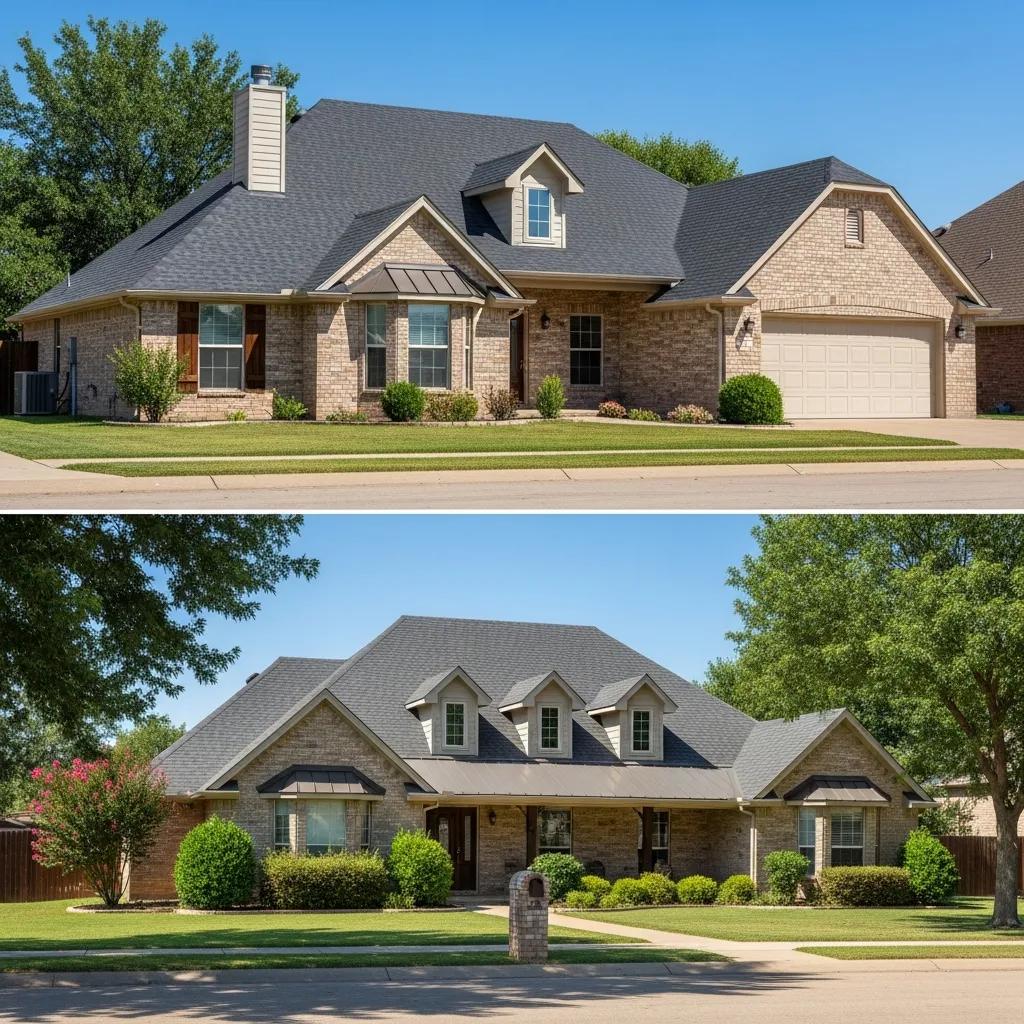
Complete Roof Replacement Guide for Oklahoma Homes
Complete Roof Replacement Guide for Oklahoma Homes: Expert Insights on Cost, Materials, and Process

Replacing a roof is a significant investment for homeowners in Oklahoma, and understanding the process, materials, and costs involved is crucial. This guide provides comprehensive insights into complete roof replacement, focusing on the unique challenges posed by Oklahoma's climate. Readers will learn about the various roofing materials available, the steps involved in the replacement process, and how to identify when a roof needs replacing. Additionally, we will discuss insurance considerations and financing options to help homeowners make informed decisions. By the end of this article, you will have a clear understanding of what to expect during a roof replacement project in Oklahoma.
Materials
When considering a roof replacement, selecting the right materials is essential for durability and performance. Oklahoma's weather conditions, including high winds and hail, necessitate roofing materials that can withstand these elements. The most common materials used for roofing in Oklahoma include:
- Impact-Resistant Asphalt Shingles: These shingles are designed to withstand severe weather conditions, making them a popular choice for homeowners looking for durability and cost-effectiveness.
- Metal Roofing: Known for its longevity and resistance to extreme weather, metal roofing is an excellent option for those seeking a long-term solution.
- Tile Roofing: While more expensive, tile roofs offer exceptional durability and aesthetic appeal, making them suitable for certain architectural styles.
Choosing the right material not only affects the roof's lifespan but also its energy efficiency and maintenance requirements.
Replacement Process
The roof replacement process involves several critical steps to ensure a successful installation. Understanding these steps can help homeowners prepare for the project and minimize disruptions.
- Inspection: A thorough inspection of the existing roof is conducted to assess its condition and determine the extent of the replacement needed.
- Permitting: Homeowners must obtain the necessary permits from local authorities before beginning the replacement process.
- Replacement Duration: The entire process typically takes between 1 to 3 days, depending on the size of the roof and the weather conditions.
By following these steps, homeowners can ensure a smooth and efficient roof replacement experience.
Insurance
Insurance coverage plays a vital role in roof replacement, especially when damage is caused by severe weather. Homeowners should be aware of the following key points regarding insurance:
- Coverage for Storm Damage: Most homeowners' insurance policies cover roof damage caused by storms, but it's essential to review the specific terms of your policy.
- Documentation Assistance: Homeowners should document any damage thoroughly to support their claims, including photographs and repair estimates.
- Normal Wear and Tear Exclusions: It's important to note that insurance typically does not cover damage due to normal wear and tear, so regular maintenance is crucial.
Understanding your insurance policy can help you navigate the claims process more effectively.
What Are the Signs You Need a New Roof in Oklahoma?
Identifying the signs that indicate a roof replacement is necessary can save homeowners from more extensive damage and costs down the line. Key indicators include:
- Visible Damage: Look for missing shingles, cracks, or leaks in the roof.
- Age of the Roof: Most roofs have a lifespan of 20-30 years; if your roof is approaching this age, it may be time for a replacement.
- Weather Impact: Severe weather events, such as hailstorms or high winds, can significantly damage roofs, necessitating a replacement.
How to Identify Roof Damage from Oklahoma Weather Conditions
Oklahoma's weather can be harsh, leading to specific types of roof damage. Homeowners should be vigilant for:
- Hail Damage: Look for dents or bruises on shingles, which can compromise their integrity.
- Wind Damage: Missing or lifted shingles are common after strong winds.
- Water Leaks: Check for water stains on ceilings or walls, indicating potential leaks.
Regular inspections after severe weather can help catch damage early.
When Is Roof Replacement More Cost-Effective Than Repair?
In some cases, replacing a roof may be more cost-effective than repairing it. Consider the following factors:
- Long-Term Savings: If repairs are frequent and costly, investing in a new roof can save money in the long run.
- Repair Costs vs. Replacement Costs: Compare the total cost of ongoing repairs to the price of a new roof to determine the best financial decision.
Understanding these factors can help homeowners make informed choices about their roofing needs.
Which Roofing Materials Are Best for Oklahoma Homes?

Selecting the best roofing materials for Oklahoma homes involves considering various factors, including climate, durability, and cost. The following materials are often recommended:
- Impact-Resistant Asphalt Shingles: These shingles provide a balance of affordability and durability, making them suitable for many homeowners.
- Metal Roofing: While initially more expensive, metal roofs offer longevity and energy efficiency, making them a worthwhile investment.
- Tile Roofing: Ideal for specific architectural styles, tile roofs are durable but come with a higher price tag.
Research further supports the effectiveness and economic benefits of impact-resistant shingles in regions prone to hail, such as Oklahoma.
Oklahoma Hail: Benefit-Cost of Impact-Resistant Shingles
This study used a method called performance-based engineering to estimate how much impact-resistant shingles (Oklahoma City and Dallas-Fort Worth), where hail is more common.
A benefit-cost analysis of impact-resistant asphalt shingle roofing, 2022
Climate Considerations
Oklahoma's climate significantly impacts roofing material choices. Homeowners should consider:
- Hail and Wind Resistance: Materials that can withstand hail and high winds are essential for protecting homes.
- Temperature Fluctuations: Roofing materials should be able to handle the extreme temperature changes common in Oklahoma.
Durability
Durability is a critical factor when selecting roofing materials. Homeowners should evaluate:
- Lifespan of Asphalt vs. Metal: Asphalt shingles typically last 20-30 years, while metal roofs can last 40-70 years or more.
- Maintenance Needs: Consider the maintenance requirements of each material to ensure long-term performance.
Cost Comparisons
Cost is always a consideration in roofing decisions. Homeowners should compare:
- Initial Costs: The upfront cost of materials can vary significantly, with asphalt shingles typically being the more affordable option.
- Long-Term Value: Evaluate the long-term savings associated with different materials, including energy efficiency and maintenance costs.
Further studies emphasize the importance of systematic approaches to material selection and cost analysis to achieve optimal roofing solutions.
Optimal Roofing Material Selection & Cost Modeling
criteria decision making method to solve materials selection and optimisation problem. This study utilised the available roofing materials
Product-cost modelling approach for the development of a decision support system for optimal roofing material selection, H Odeyinka, 2012
Maintenance Requirements
Different roofing materials come with varying maintenance needs. Homeowners should be aware of:
- Regular Inspections: Most materials require periodic inspections to ensure they remain in good condition.
- Common Maintenance Tasks: Tasks may include cleaning gutters, replacing damaged shingles, and checking for leaks.
Comparing Asphalt Shingles, Metal, and Tile Roofing for Durability and Energy Efficiency
When comparing roofing materials, consider the following:
| Material | Durability | Energy Efficiency | Cost Range |
|---|---|---|---|
| Asphalt Shingles | Moderate | Moderate | $90 - $100 per square |
| Metal Roofing | High | High | $120 - $300 per square |
| Tile Roofing | Very High | Moderate | $300 - $600 per square |
This comparison highlights the trade-offs between different roofing materials, helping homeowners make informed decisions.
How Do Roofing Materials Perform Against Oklahoma Storms?
Oklahoma's storms can be severe, and roofing materials must be able to withstand these conditions. Homeowners should consider:
- Impact Resistance: Materials like impact-resistant asphalt shingles and metal roofing perform well against hail.
- Wind Resistance: Ensure that the chosen roofing material can withstand high winds, which are common in the region.
What Is the Roof Installation Process in Oklahoma City?

The roof installation process in Oklahoma City involves several key steps to ensure quality and compliance with local regulations. Understanding this process can help homeowners prepare for their project.
- Step-by-Step Overview of Professional Roof Replacement: The process typically begins with a thorough inspection, followed by the removal of the old roof, installation of new materials, and final inspections to ensure everything meets local codes.
- How Does 123 Remodeling LLC Ensure Quality and Warranty Compliance?: 123 Remodeling LLC follows strict quality assurance practices, including using high-quality materials and adhering to industry standards to ensure that all installations are compliant with warranty requirements.
How Much Does Roof Replacement Cost in OKC and What Are Financing Options?
The cost of roof replacement in Oklahoma City can vary widely based on several factors, including the size of the roof, the materials used, and the complexity of the installation. Homeowners can expect to pay:
- Cost Range for Replacement: On average, roof replacement costs between $5,000 and $15,000, depending on the materials and labor involved.
- Financing Options Available: Many homeowners explore financing options, including personal loans, home equity loans, and payment plans offered by contractors.
Breaking Down Roof Replacement Costs for Oklahoma Homes
Understanding the factors that influence roof replacement costs can help homeowners budget effectively. Key factors include:
| Factor | Description | Average Cost Range |
|---|---|---|
| Material Type | Different materials have varying costs | $90 - $600 per square |
| Roof Size | Larger roofs require more materials | $5,000 - $15,000 |
| Labor Costs | Installation complexity affects labor | $1,500 - $3,000 |
This breakdown provides a clearer picture of what to expect when budgeting for a roof replacement.
What Financing Solutions Are Available for Roof Replacement Projects?
Homeowners have several financing options to consider for roof replacement projects:
- Personal Loans: Unsecured loans that can cover the cost of the project.
- Home Equity Loans: Loans that use the home as collateral, often with lower interest rates.
- Contractor Payment Plans: Many contractors offer financing options to help homeowners manage costs.
These financing solutions can make roof replacement more accessible for homeowners in Oklahoma.
EXPLORE
SERVICES
Experts for Roofing Services
Phone Number
(405) 208-4006
Connect With Us Now!
Address
6801 S Western Ave STE 108 Oklahoma City, OK 73139
Follow Us:
Website Designed With by BoosterProfile – Building America’s Most Trusted Contractor Brands Privacy Policy | Terms of Service
EXPLORE
Contact Us
Phone Number
(405) 208-4006
Connect With Us Now!
Address
6801 S Western Ave STE 108 Oklahoma City, OK 73139
Follow us

